
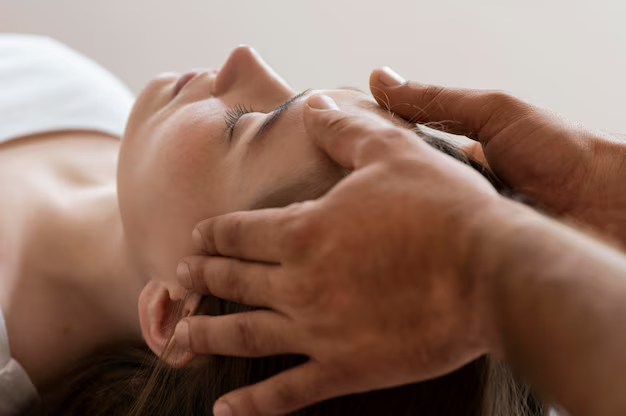
Your nervous system is constantly scanning the environment for signals: touch, smell, temperature, pressure, and subtle changes in the body. Each of these inputs communicates something to the brain about whether it’s safe to relax or whether it needs to stay on alert.
When we stimulate several of these pathways in a supportive way, we’re essentially giving the nervous system more evidence that it can shift into a restorative state.
Massage and bodywork speak directly to the tissues — releasing tension, improving circulation and encouraging mobility.
Acupuncture works through another set of communication channels, influencing the nervous system, circulation and energetic pathways within the body.
Aromatherapy adds yet another layer. The sense of smell connects directly to the limbic system — the part of the brain involved in emotion, memory and regulation of stress responses.
When these approaches are combined thoughtfully, they reinforce one another.
Why Aroma Matters More Than People Think
Smell is one of the fastest ways to influence how we feel.
Certain essential oils can help calm an overactive nervous system, sharpen focus, or support emotional release. Because the olfactory system connects directly to areas of the brain that process emotions and memory, scent often works beneath conscious awareness.
A carefully chosen oil in the room or blended into massage can subtly support the intention of the treatment — whether that’s deep relaxation, grounding, or helping someone shift out of a stress response.
Touch, Energy and Sensory Awareness
Touch itself is powerful medicine. Slow, intentional bodywork activates pressure receptors in the skin that signal the brain to reduce stress hormones and increase parasympathetic activity — the “rest and repair” side of the nervous system.
Acupuncture complements this by stimulating precise points that help regulate internal systems. Where massage works broadly through tissues and fascia, acupuncture offers a more targeted neurological and energetic input.
Together, they create a conversation within the body rather than a single instruction.
A More Integrated Experience
Rather than treating the body as separate parts — muscles here, nerves there, emotions somewhere else — a multi-sensory approach acknowledges that everything is connected.
When touch, scent and acupuncture are working together, treatments often feel deeper without needing to be more intense. Many clients describe feeling more grounded, more present in their bodies, and more able to let go of persistent tension.
Sometimes stimulating more senses is actually what allows the body to do less — less guarding, less holding, less effort.
And that’s often where the real change begins.